Power infrastructure,
from siting to commissioning.
Development, construction, generation and storage, microgrids, operations and behind the meter campuses: six areas, one company, from a screened site to an asset in service.
What we build
Generation, storage,
substations, the grid.
Battery storage, microgrids, substations and interconnection, delivered and commissioned under the Nerd Power name since 2015. Nerd Power is a registered trade name of Kilgore Energy LLC, so the operating record and the contracting party are the same.
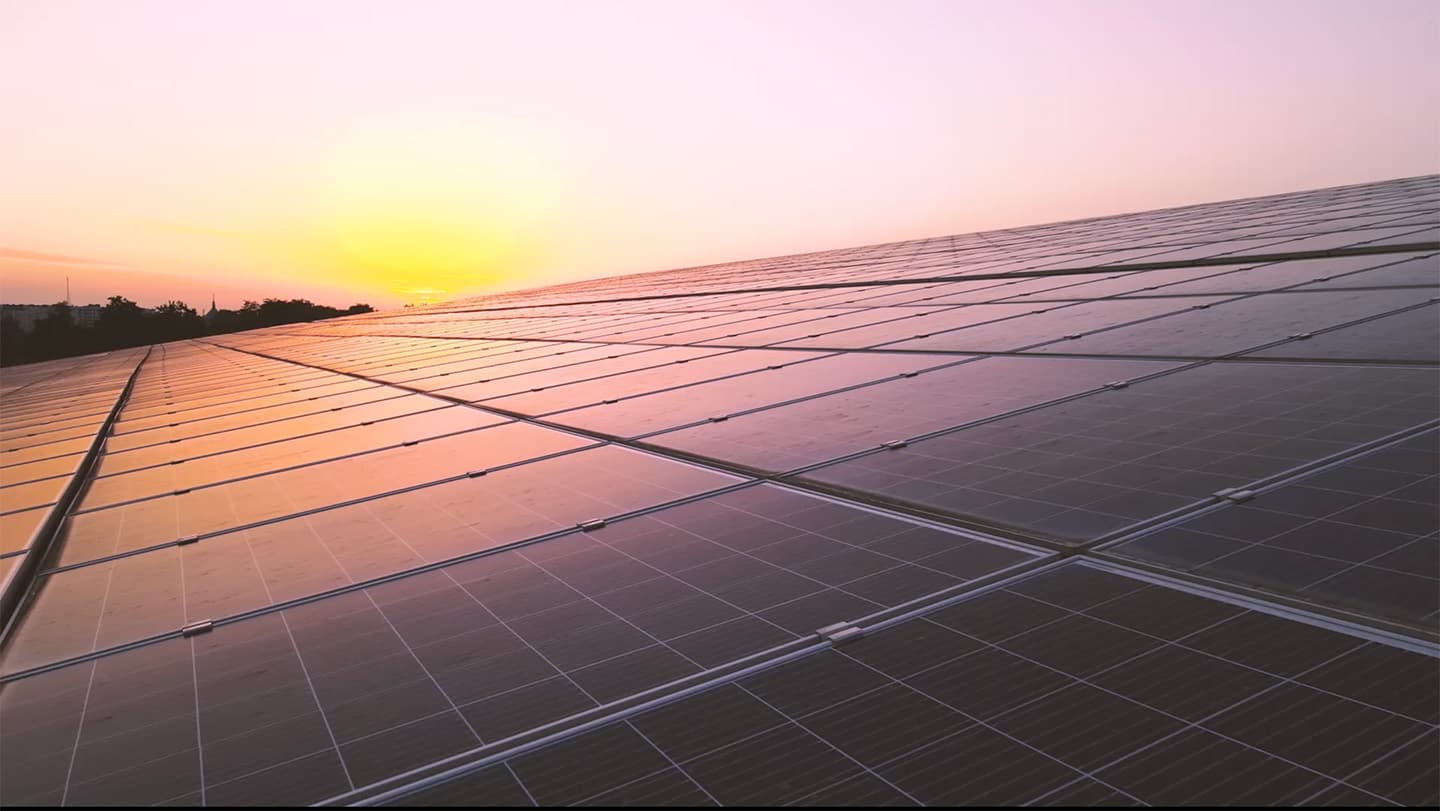
Utility scale photovoltaic
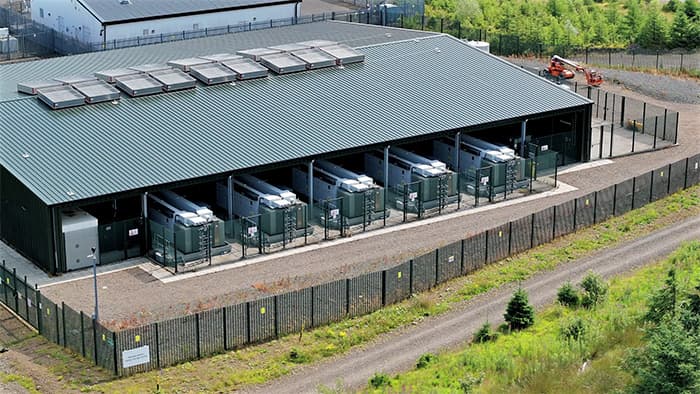
Battery energy storage
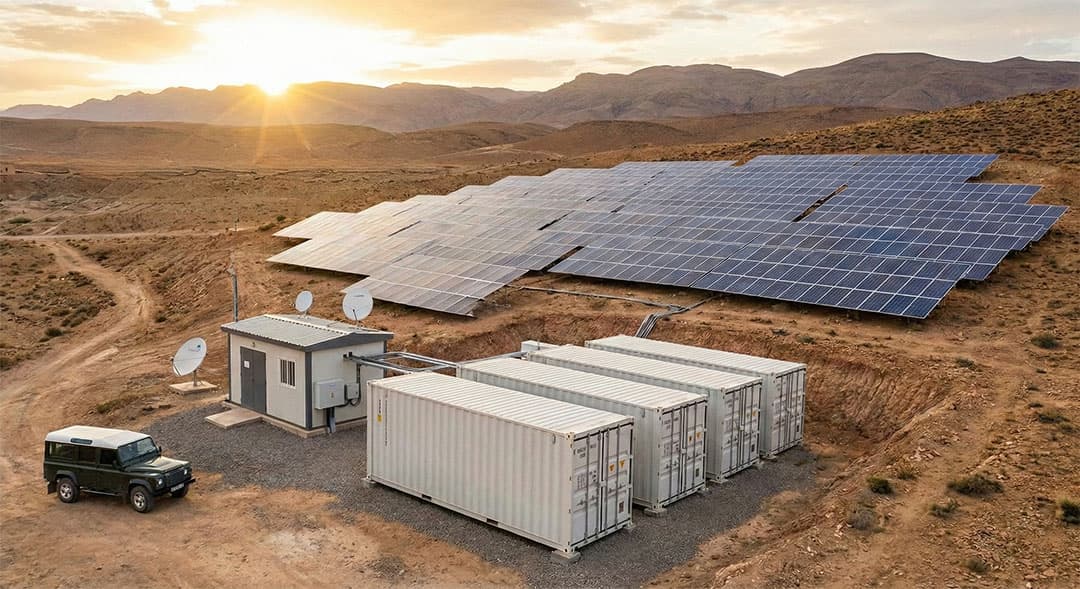
Containerized generation
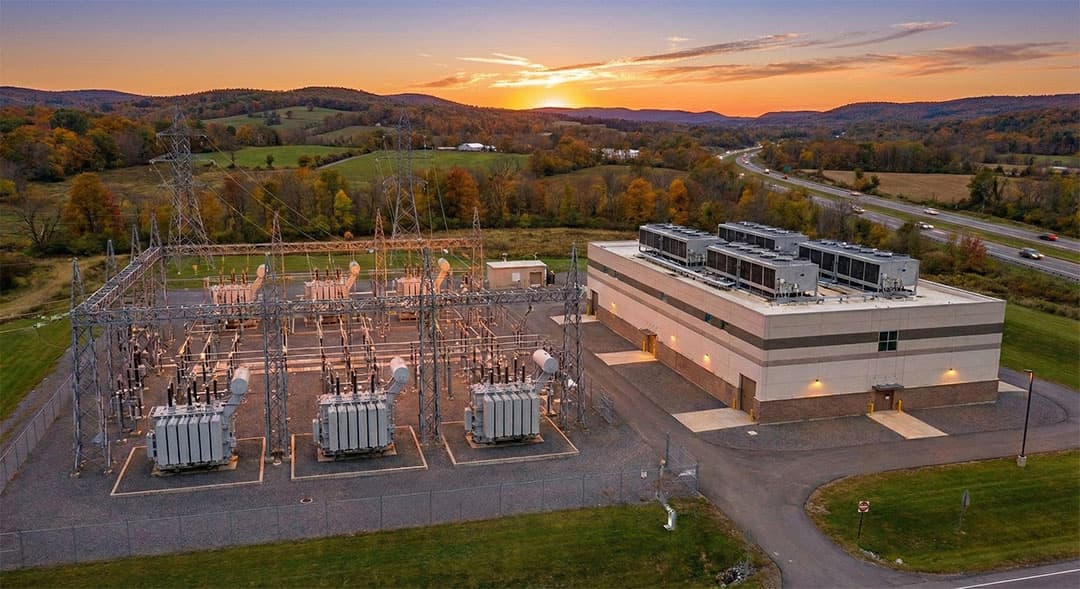
Substations and switchgear
The delivery stack
What we do, end to end.
A counterparty contracting for any one of the six is contracting with the company that does the other five.
01Development
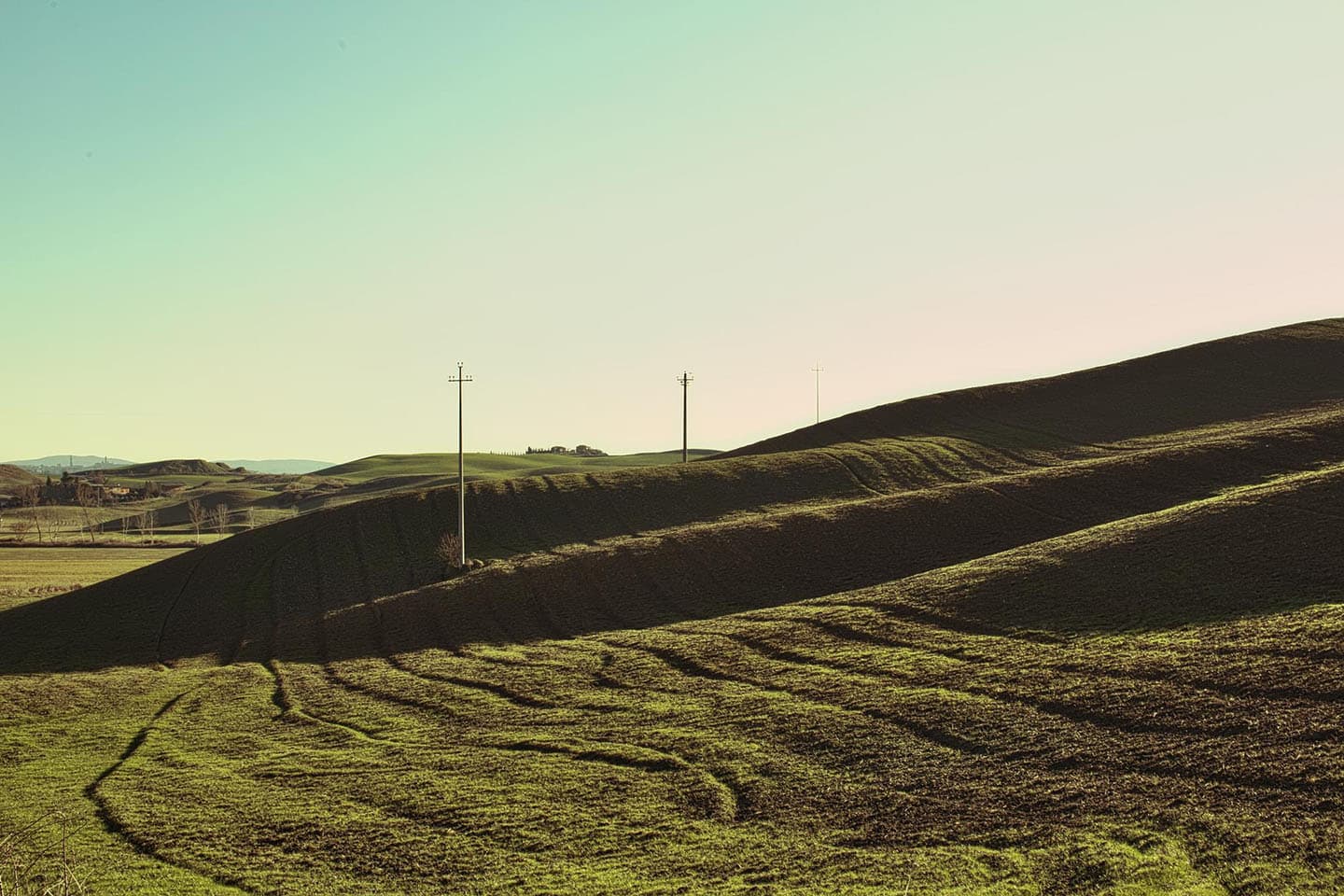
Siting through to notice to proceed
Site screening, power verified or built and the interconnection path that makes it firm, permitting and entitlement, offtake structuring and capital. The first three of the four gates, each of which has to close before the next one opens. It is also where a project is stopped, which is the whole of the method.
02EPC and construction
Built and commissioned, not brokered
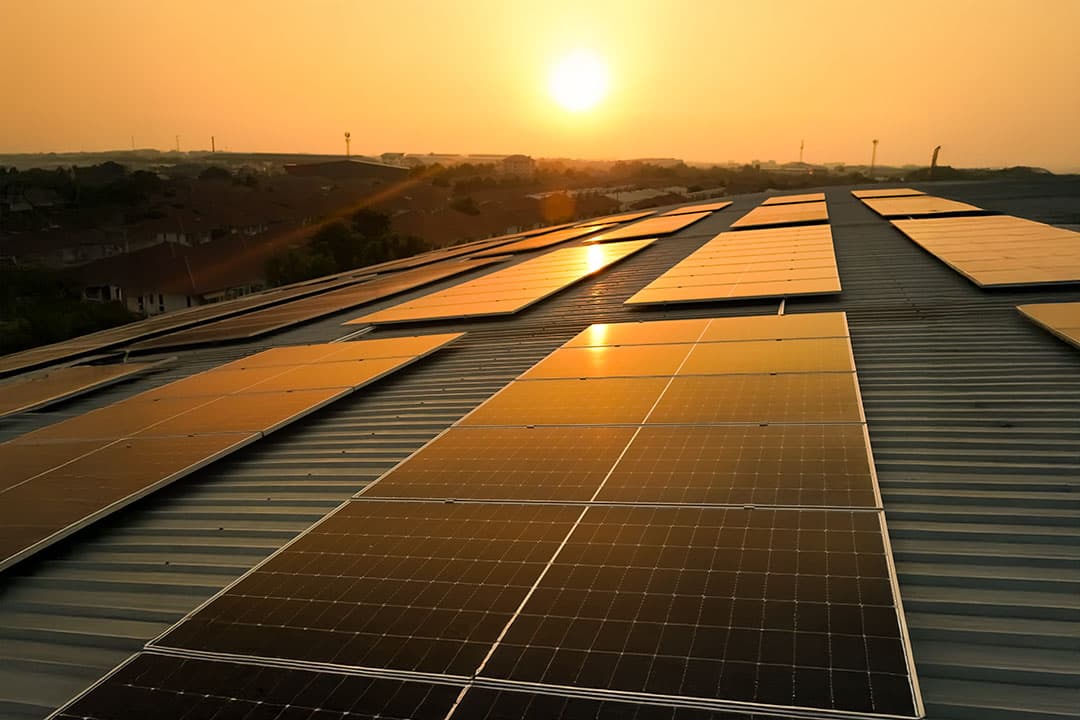
Construction and construction management, under the Nerd Power name since 2015. The crews, the licenses and the permitting history sit inside the company that signs, so the handoff at notice to proceed is to the same legal entity. Specialist scopes go to execution partners, named on a project only where the partner has agreed to be named.
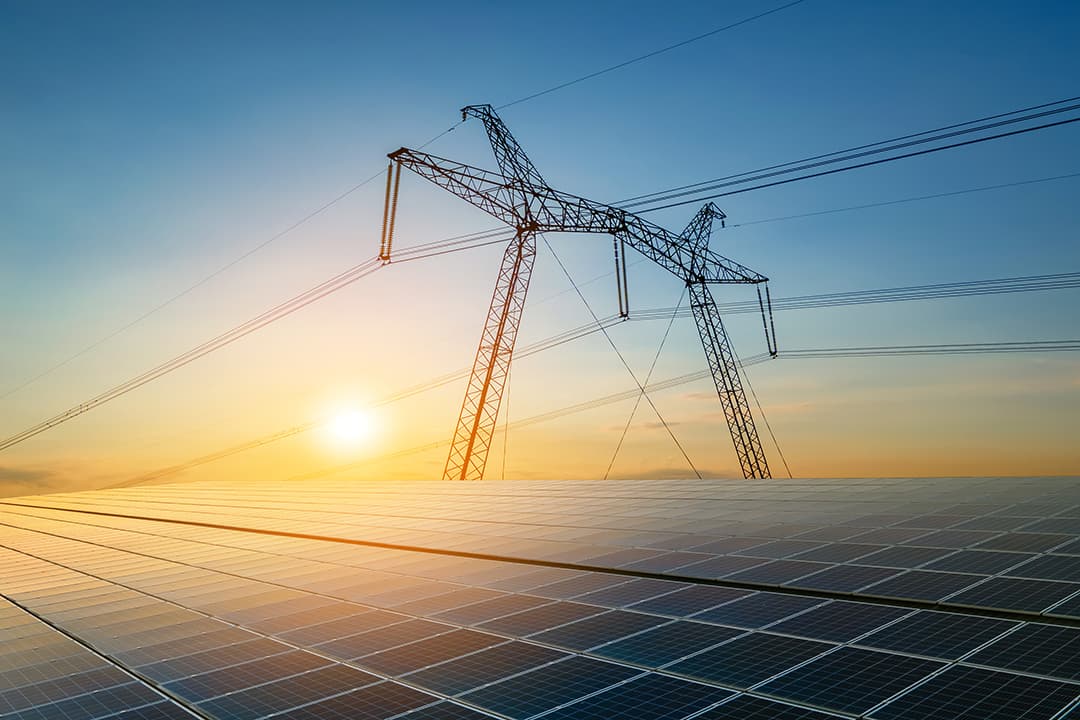
03Generation and storage
Utility scale solar, BESS, CHP and gas
Sited, permitted, built and commissioned, behind the meter or in front of it. Generation is matched to the load profile and the economics of the site rather than to a single technology.
Proof
Lucid Motors, Casa Grande, Arizona
Twelve megawatts of planned capacity for an electric vehicle manufacturing facility, targeted for 2026. In development. Planning and project management by Nerd Power.
04Microgrids and islanding
Power where the grid does not reach
Generation, storage and distribution stood up as one system that runs on its own. At the Hopi Side Rock water supply project, 250 kW of photovoltaic and 1.2 MWh of storage are in development to carry two wells on a site the grid never reached.
Proof
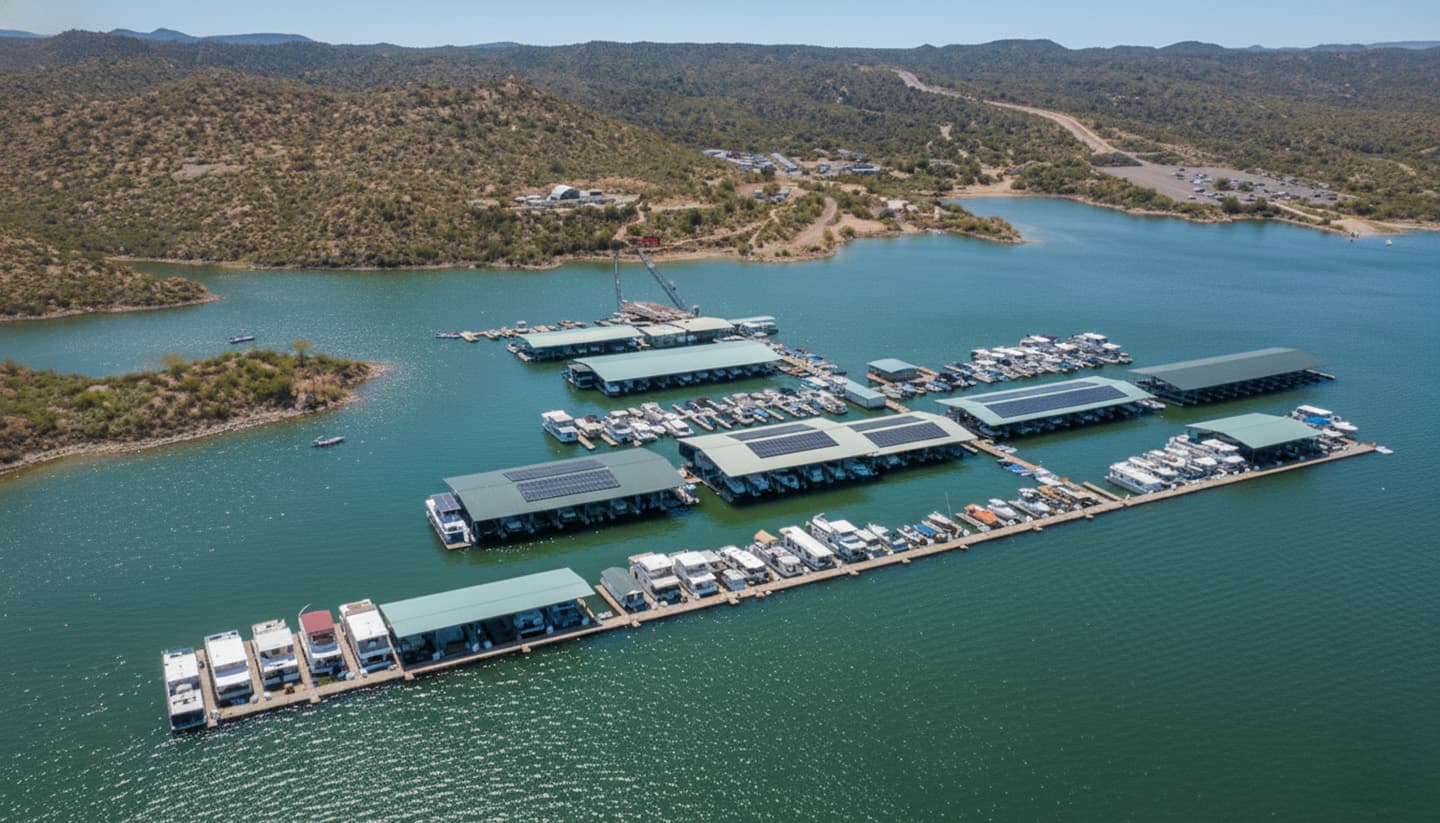
Bartlett Lake Marina, Arizona
The first floating micro-grid in North America, carrying marina operations entirely off grid. Completed. Delivered by Nerd Power.
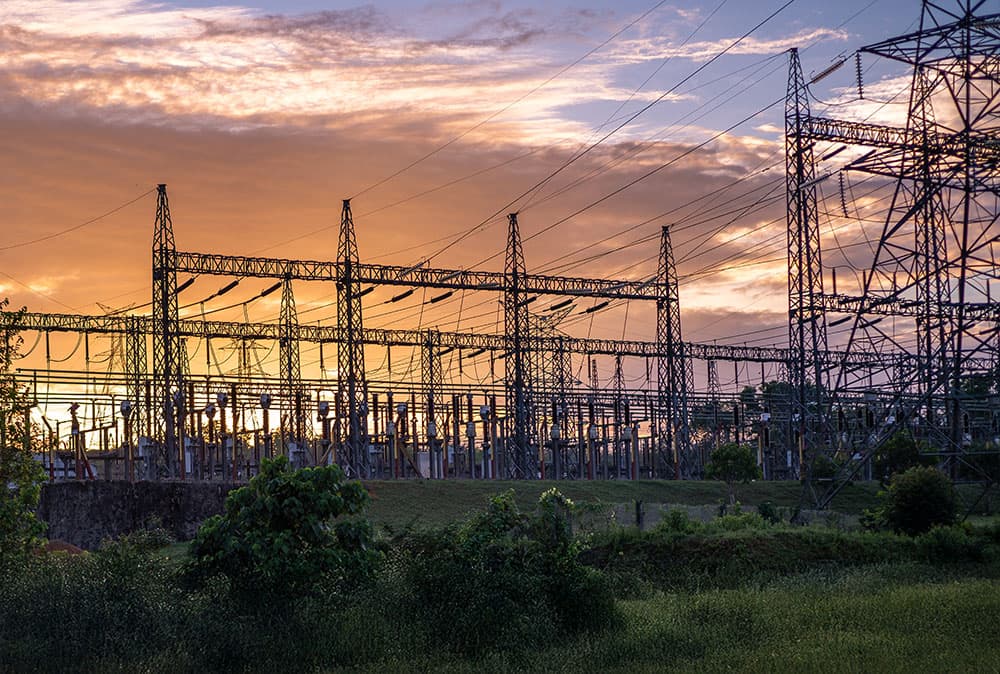
05Operations and maintenance
We operate what we own
On the facilities we own, we operate them. The owned compute portfolio is held for the life of the facility rather than flipped, which is a different incentive from a developer that exits at energization.
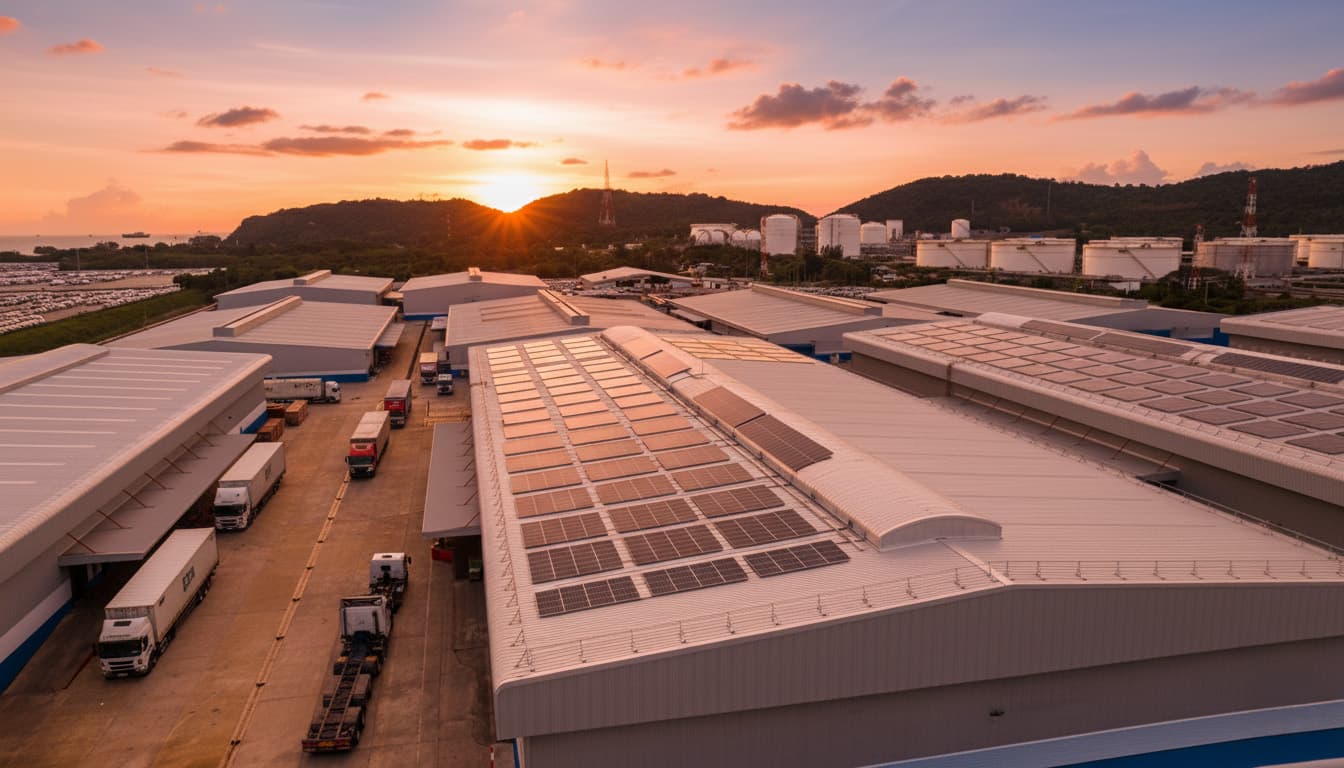
06Behind the meter campuses
Generation on the load side
Generation built on the load side of the meter is the other way to arrive at firm power, and generation we control is a different risk profile from capacity waiting in an interconnection queue. It is the path the containerized compute track takes, on solar and storage sites that are already energized.
Load types
The loads we build for.
In every one of these, the load profile decides what gets built rather than the other way round.
- Compute
Data centers and colocation
High density load with a hard date on it. Power is verified, or built, before a capacity date is given, because the date is the only part of a schedule a tenant can act on.
- Industry
Industrial and manufacturing
Continuous process load, where an outage is measured in scrapped production rather than in kilowatt hours. Generation is sited on the campus, on the load side of the meter where the economics support it.
- Essential services
Water, health and emergency
Load that has to run when nothing else does. Storage and islanding are designed so the site carries itself through an outage rather than waiting one out.
- Public
Government, defense and telecom
Sites where continuity requirements and procurement rules shape the design before anything else does.
Tell us what the load is.
A capacity requirement, a site, or a project already under way. Tell us which, and the development team will tell you what it would take, including whether it should be built at all.
Ask the development team