Data centers,
grounded in power.
A 1.25 gigawatt colocation campus has its first phase under development. Kilgore Energy develops data centers the way the company has delivered power since 2015: verified, disciplined and built to operate.
Built from
the power up
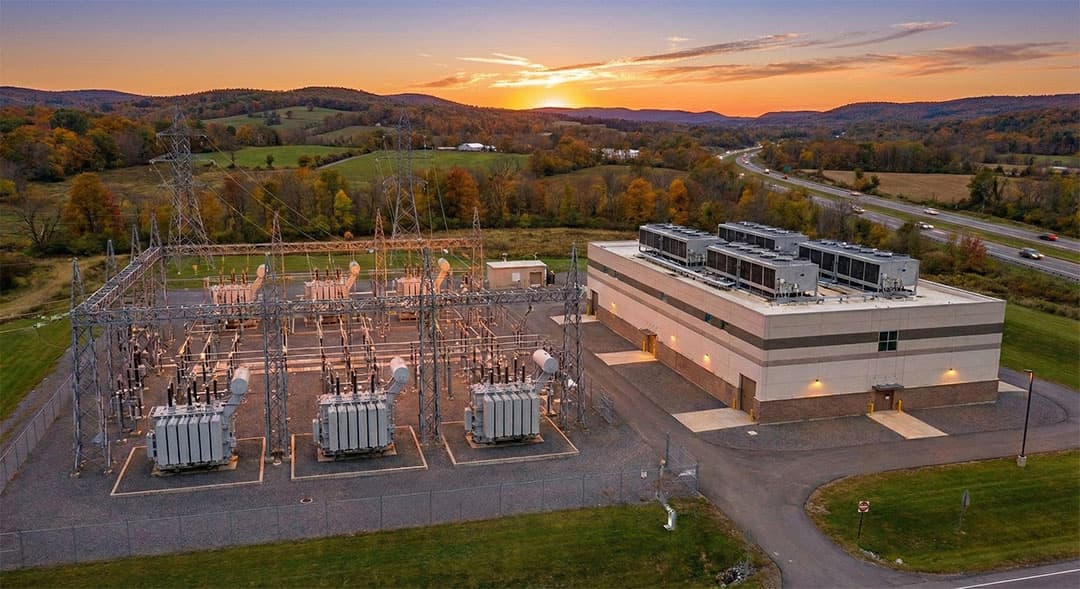
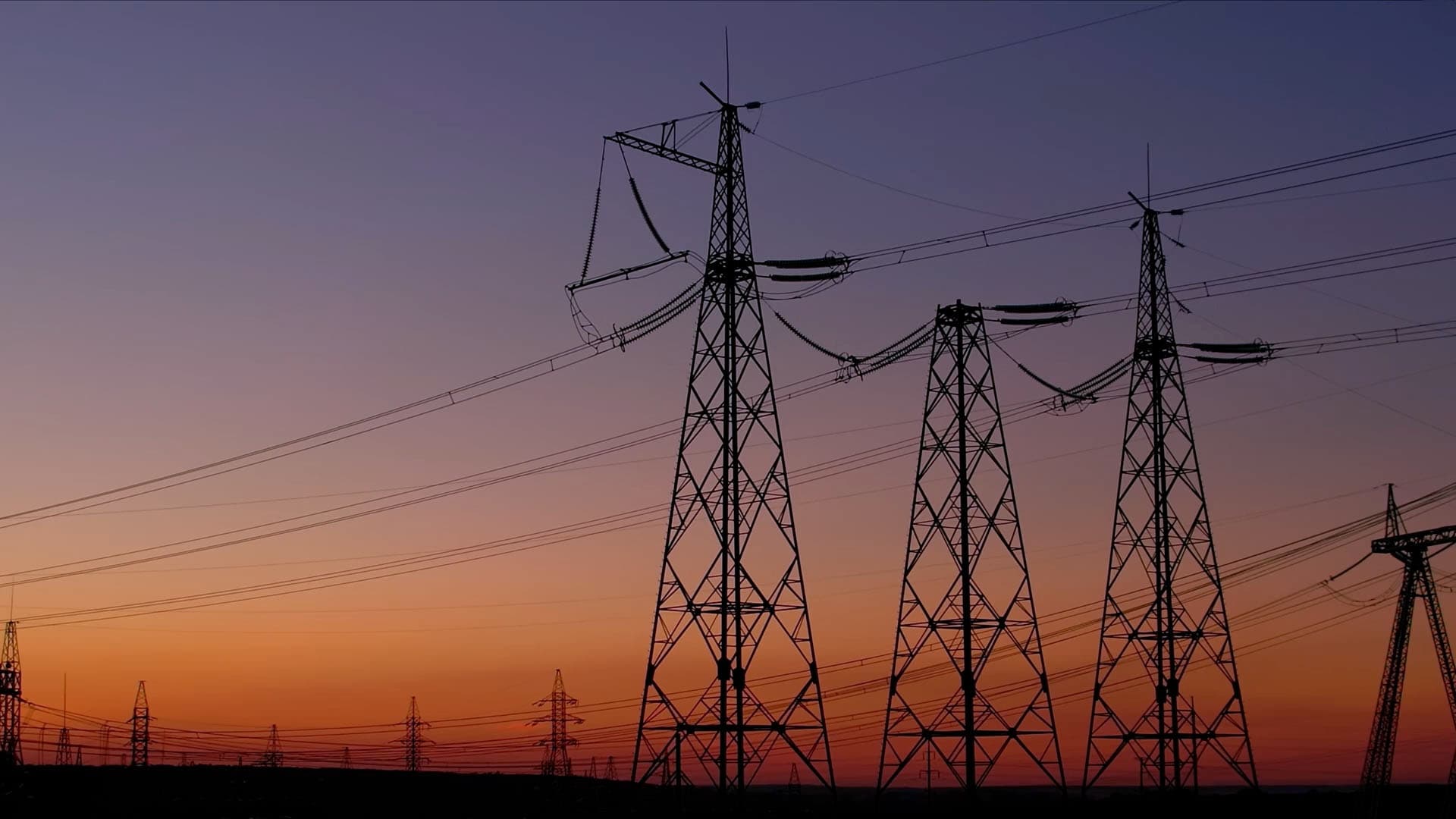
Data centers succeed or fail on energy. Since 2015, under the Nerd Power name, this company has delivered the substations, microgrids, storage and interconnection that mission critical facilities depend on.

Data center facility
Data center substations
Utility scale substation
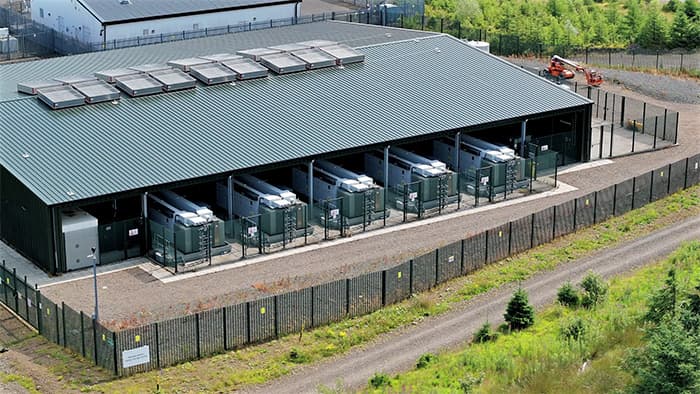
Battery storage
Grid interconnection
What we build
Three ways we build.
One standard for all three: power verified before promises are made.
- Phase one under development
Colocation
A 1.25 gigawatt campus master planned across five phases of 250 megawatts each, with phase one under development.
- Capacity we lease
Owned compute
Facilities where Kilgore Energy owns and operates the compute and leases capacity, which aligns our incentives with our tenants for the life of the facility.
- On sites already energized
Micro data centers
Containerized megawatt scale compute placed on solar and storage the company has already built and commissioned. The power, the interconnection and the site are already in service, which is the part a greenfield campus has to wait for.
Colocation
The campus at full build.
Five phases of 250 megawatts, 1.25 gigawatts in total, with phase one under development. The campus is not named and its location is not published. The image is an AI rendering of the campus at full build, not a photograph of the site.
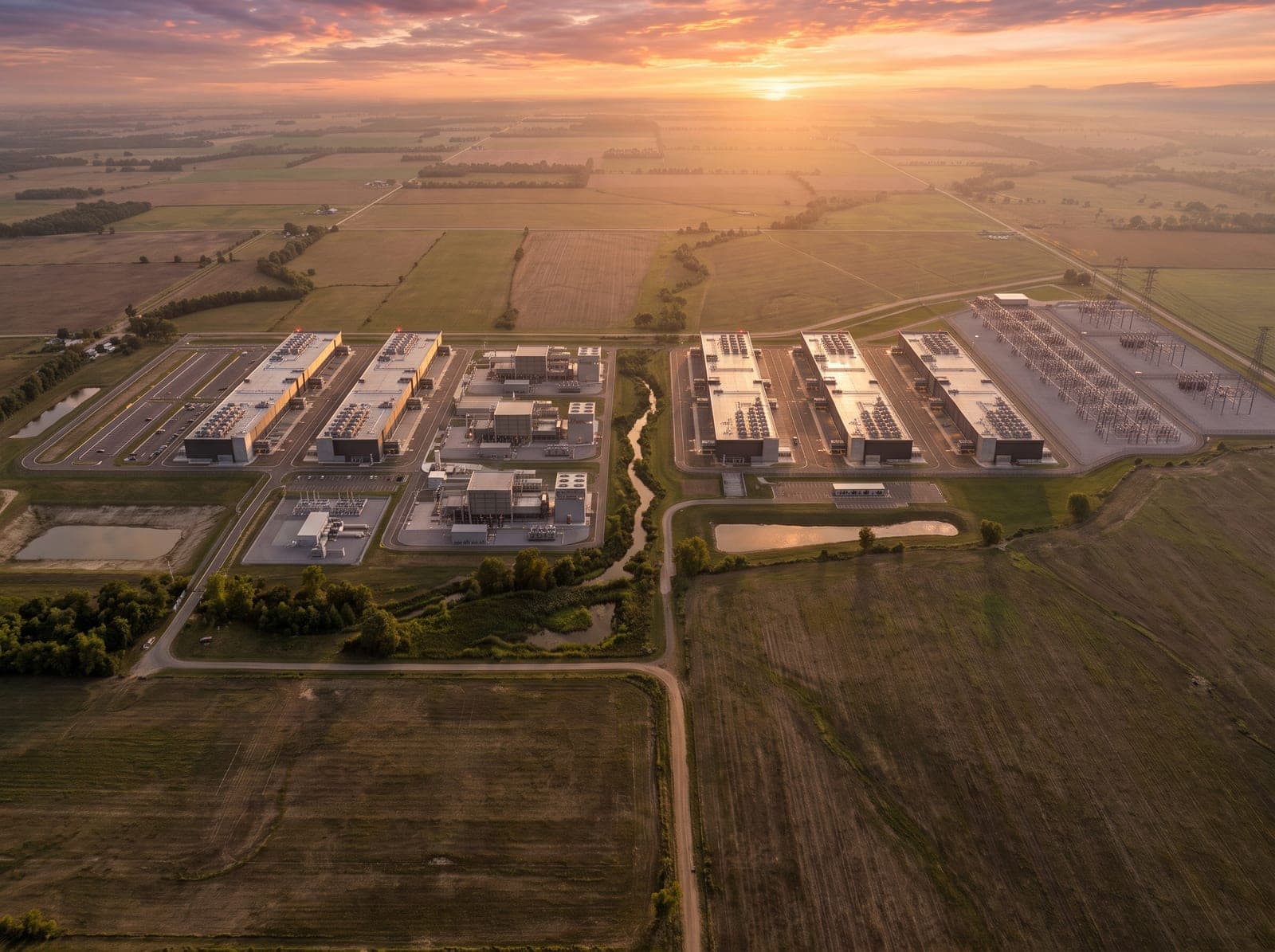
AI rendering, campus at full build
The load
What AI load does to the design.
Training and inference are not a bigger version of enterprise colocation. Each of these is a power problem before it is a building problem, which is the part we are built for.
- 01
Power per rack, not per building
- Accelerator racks draw what a row of enterprise servers used to, so the electrical design starts at the rack and works outward: busway, distribution and switchgear sized for the row rather than the room.
- Capacity is planned in blocks that match how compute is deployed, so a tenant energizes a pod at a time instead of waiting on the whole hall.
- 02
Heat is the other half of the power budget
- At accelerator densities air alone stops working. Liquid cooling is designed in from the start rather than retrofitted, and the mechanical plant is sized as part of the electrical load, not after it.
- Rejecting that heat takes water or dry coolers and the power to run them, which is a site screen question, and one we ask before a site is ever named.
- 03
A load that moves
- A training run swings from idle to full draw in seconds, and that swing shows up at the utility as a problem to be managed. Storage on the campus side of the meter absorbs it, and the interconnection is designed around it rather than discovered by it.
- Firm supply matters more than nameplate. A capacity figure is only worth the verification behind it.
- 04
The date is the product
- The scarce thing is not land or shell. It is a firm energization date, and the interconnection queue is the long pole in most markets. We verify the path before we quote the date.
- Where the grid is slow, generation on the load side of the meter is a different risk profile from capacity waiting in a queue.
Compute
Capacity, for the people who buy it by the megawatt.
Alongside colocation, the company sells compute capacity directly: in facilities we own and operate, and as containerized megawatts placed on solar and storage sites that are already energized. The buyers are neoclouds, AI companies and enterprises that need capacity on a date, and what they are buying from us is the power behind it.
What is available, where, and on what timeline is released per opportunity through the data room rather than published here, because a capacity figure on a public page is a promise to everyone who reads it. Ask, and the answer comes with the verification behind it.
Ask about capacity- Buyer
- Neoclouds, AI companies, enterprises
- Form
- Capacity in facilities we own and operateContainerized megawatts on energized sites
- Availability
- Per opportunity, through the data room
- Pricing
- Not published
- Status
- In development, as of October 2026
For communities and development partners
A data center is a decades-long neighbor.
Four questions a county asks first, and the answer to each.
- 01
Local jobs and workforce
Construction trades through the build, then skilled, permanent operations roles for the life of the facility, with local hiring wherever the workforce allows.
- 02
A lasting tax base
A data center is long-lived capital investment. It grows the property tax base that funds schools, roads and county services.
- 03
Power and grid stewardship
We come from power. Generation, storage and interconnection are planned so a project strengthens the local grid rather than straining it, which protects ratepayers as well as uptime.
- 04
Straight answers
We advance a project only when the power, the land and the utility coordination are real. A community gets realistic timelines, the math behind them, and a partner who will still be there to answer for both.

Capacity, a site, or a community?
A compute buyer that needs capacity on a date, a landowner with a site, or a community asking what a data center would mean: all three reach the development team directly.
Ask the development team